
Lighting plays a critical role in industrial productivity, operational safety, and energy efficiency. However, not all lighting systems are built to perform reliably in elevated-temperature environments. In facilities where ambient temperatures regularly exceed the limits of standard luminaires, conventional LED fixtures often experience accelerated lumen depreciation, driver failure, thermal instability, and shortened service life. As a result, selecting the right high-temperature LED is not simply a matter of choosing a brighter or more powerful fixture—it is a technical decision that directly affects long-term reliability, worker visibility, and maintenance cost.
High-temperature environments are common across many industrial sectors, including foundries, steel plants, glass factories, ceramics production, food processing lines, power generation stations, and heavy manufacturing facilities. These environments expose lighting systems not only to heat, but often to dust, steam, vibration, oil mist, corrosive contaminants, and poor airflow. Under such conditions, a standard industrial LED may fail well before its expected lifespan, creating costly disruptions and unnecessary replacement cycles.
High-temperature LED fixtures are specifically engineered to withstand these harsh thermal conditions. They incorporate advanced thermal management, heat-resistant drivers, rugged housings, and protective sealing systems to ensure stable performance under elevated ambient temperatures. When selected correctly, they can deliver dependable illumination, improve workplace safety, reduce energy consumption, and significantly lower total cost of ownership.
This article provides a comprehensive guide to selecting the right high-temperature LED. It explains what high-temperature LEDs are, why proper selection matters, which technical factors buyers should evaluate, and how to match the correct fixture to real-world industrial applications.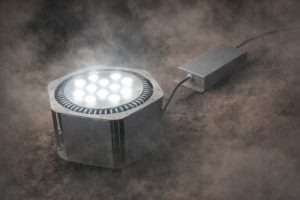
A high-temperature LED is a lighting fixture specifically designed to operate reliably in environments where ambient heat exceeds the safe operating range of conventional LED luminaires. Unlike standard commercial or industrial LED fixtures, high-temperature LEDs are engineered with specialized thermal and electrical components that allow them to maintain performance under sustained exposure to elevated temperatures.
The core purpose of a high-temperature LED is to provide stable, efficient, and long-lasting illumination in heat-intensive applications. In many industrial settings, lighting systems are installed near furnaces, ovens, boilers, kilns, processing equipment, or enclosed ceilings where heat accumulates rapidly. Standard fixtures used in such areas often suffer from thermal overload, which leads to premature driver failure, color shift, flickering, reduced lumen output, and eventually total system failure.
High-temperature LED fixtures are developed to solve these problems. They are built with enhanced heat dissipation structures, temperature-resistant electronic drivers, and robust housings that minimize thermal stress on internal components. Their purpose is not only to survive high heat, but to continue delivering safe and effective illumination without constant maintenance intervention.
For industrial buyers, engineers, and procurement teams, understanding this distinction is essential. A fixture labeled “industrial LED” is not automatically suitable for elevated-temperature conditions. The true value of a high-temperature LED lies in its ability to preserve performance and reliability where ordinary lighting systems cannot.
One of the most important specifications of a high-temperature LED is its maximum ambient operating temperature. This rating defines the environmental heat level at which the fixture can continue operating safely and effectively without performance degradation beyond acceptable engineering limits.
Conventional industrial LED fixtures are commonly rated for ambient temperatures around 40°C to 50°C (104°F to 122°F). While this may be adequate for warehouses or standard production floors, it is insufficient for facilities where localized heat is significantly higher. High-temperature LEDs are typically available in extended temperature ratings such as:
It is important to note that ambient temperature does not always equal room temperature. In industrial environments, the actual temperature around the fixture may be much higher than the general workspace temperature due to radiant heat from equipment, trapped ceiling heat, poor ventilation, or process-generated thermal load.
Therefore, buyers should avoid assuming that a standard fixture is sufficient simply because the facility itself does not “feel extremely hot” at floor level. A proper lighting selection must consider the fixture’s exact installation position and the real thermal conditions at that location. Choosing a product with the correct ambient temperature rating is the first step in ensuring long-term performance and avoiding costly failures.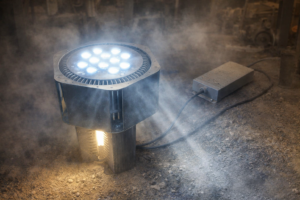
What differentiates a true high-temperature LED from a standard LED fixture is not just its label, but its internal engineering. These products are built around thermal endurance, and their design reflects the need to protect sensitive electronic and optical components from continuous heat stress.
One of the most critical features is an advanced heat dissipation system. This often includes optimized heat sink geometry, thermally conductive housing materials, and efficient airflow pathways that help transfer heat away from the LED chips and driver components. In elevated-temperature environments, passive thermal management becomes especially important because the fixture must dissipate its own internally generated heat while also resisting heat from the surrounding environment.
Another essential feature is the use of high-temperature-resistant LED drivers. The driver is often the most vulnerable component in an LED fixture because excessive heat can destabilize electrical performance and shorten capacitor life. High-temperature models typically use industrial-grade driver architecture designed to withstand sustained thermal exposure while maintaining current stability and surge resilience.
The fixture housing is also engineered for durability. Many high-temperature LEDs use die-cast aluminum or other thermally conductive materials to improve structural integrity and heat transfer. Protective coatings and gasket materials are selected to resist thermal aging, cracking, and sealing failure under prolonged exposure to heat.
In addition, some high-temperature fixtures include specialized lens materials, thermal isolation chambers, or remote driver configurations to further reduce thermal stress. These structural and thermal design elements work together to ensure that the lighting system remains dependable in environments where ordinary LEDs would fail prematurely.
In industrial environments, lighting is more than a utility—it is a safety-critical infrastructure component. Poor lighting performance in high-temperature areas can create serious operational risks, especially where workers are exposed to heavy machinery, moving equipment, elevated platforms, hot surfaces, or hazardous production processes.
Selecting the right high-temperature LED helps ensure consistent visibility in areas where precision, awareness, and reaction time are essential. When a fixture is not designed for elevated heat, it may flicker, dim unexpectedly, or fail completely. Such failures can reduce visibility during active operations, increasing the risk of accidents, missteps, equipment handling errors, or delayed emergency response.
Thermally unstable fixtures can also introduce equipment-level safety concerns. Overheated drivers, compromised wiring insulation, and degraded seals may increase the risk of electrical malfunction or fire-related hazards in already demanding environments. In facilities where lighting systems are installed near combustible dust, high-heat machinery, or enclosed process zones, fixture reliability becomes especially important.
A properly selected high-temperature LED minimizes these risks by delivering stable, predictable illumination even under sustained heat exposure. It helps maintain safer workspaces, improves visual confidence for operators, and supports compliance with industrial safety expectations. In many cases, investing in the right thermal-grade lighting is not only an engineering decision but also a risk management strategy.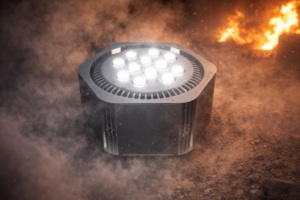
Lighting performance in high-temperature environments cannot be judged solely by initial brightness. What matters is whether the fixture can maintain its optical output, color consistency, and electrical stability over time while operating under thermal stress.
Heat is one of the most significant factors affecting LED performance. Excessive ambient temperature can accelerate lumen depreciation, shift color temperature, reduce driver efficiency, and increase the rate of component aging. A fixture that appears adequate at installation may quickly lose brightness or develop unstable output if it is operating beyond its intended thermal range.
Selecting the correct high-temperature LED helps preserve performance under real-world industrial conditions. High-quality thermal management allows the LED chips to operate within safer junction temperatures, which supports more consistent lumen maintenance and prolongs usable light output. This is particularly important in high-bay facilities, task-specific work zones, and production lines where uniform lighting is necessary for visibility and productivity.
Another performance-related consideration is environmental endurance. In high-heat settings, lighting often operates alongside dust, smoke, steam, vibration, or airborne contaminants. A properly selected fixture is better equipped to maintain optical clarity and internal stability in these conditions, ensuring that the system performs not only on paper, but in the field.
Ultimately, choosing the right fixture protects lighting quality over the long term. It helps avoid the common scenario in which an initially bright installation gradually becomes underperforming due to thermal mismatch.
Many buyers make the mistake of focusing too heavily on upfront fixture cost without fully evaluating the long-term financial impact of lighting failure in harsh environments. In reality, the wrong fixture often becomes far more expensive over time than a higher-quality thermal-grade solution.
The total cost of ownership for industrial lighting includes much more than the purchase price. It also includes installation labor, lift equipment, replacement frequency, downtime, lost productivity, maintenance scheduling, spare inventory, and potential safety-related disruptions. In high-temperature environments, these hidden costs can escalate quickly if the lighting system is not properly engineered for the application.
A well-selected high-temperature LED reduces these costs by extending service life and minimizing failure-related maintenance. This is especially valuable in facilities with high ceilings, restricted-access mounting positions, or continuous production schedules where fixture replacement is disruptive and expensive. In such settings, even a small reduction in maintenance frequency can generate substantial operational savings.
Additionally, thermally optimized LED systems typically maintain energy efficiency more effectively over time. Poorly designed fixtures may consume power less efficiently as heat affects driver and component performance. A stable, well-matched lighting system therefore supports both maintenance savings and energy savings.
From a procurement perspective, the right high-temperature LED should be viewed as a lifecycle investment. The goal is not to buy the cheapest luminaire, but to secure the most reliable and cost-effective solution over the full operating life of the installation.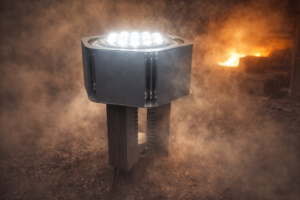
The ambient temperature rating is the most fundamental specification when evaluating a high-temperature LED fixture. It defines the maximum surrounding air temperature at which the luminaire can operate safely while maintaining acceptable electrical and optical performance.
In high-heat industrial applications, selecting a fixture without verifying this rating is one of the most common causes of premature failure. Many lighting products marketed for “industrial use” may still be designed only for moderate environments and may not withstand elevated thermal loads generated by furnaces, ovens, kilns, process lines, or enclosed ceiling spaces.
To make the correct selection, buyers should evaluate not only average room temperature, but also the true thermal environment at the fixture location. Heat tends to rise and accumulate, meaning that a fixture mounted near the ceiling or close to process equipment may experience temperatures far higher than those measured at floor level. In some facilities, radiant heat and limited airflow can create thermal pockets that exceed fixture limits even when the broader workspace seems manageable.
A safe specification process should include consideration of:
Where uncertainty exists, it is generally better to select a fixture with thermal headroom rather than one operating near its limit. This improves long-term reliability and helps account for seasonal variation, process expansion, or unforeseen heat concentration. In high-temperature lighting, the ambient temperature rating is not just another specification—it is the foundation of the entire product selection.
Temperature alone does not define a harsh environment. In many industrial settings, high heat is accompanied by a combination of dust, moisture, corrosive fumes, steam, smoke, oil mist, vibration, and mechanical impact. These conditions place additional stress on lighting systems and must be considered when selecting the right high-temperature LED.
For example, a foundry may expose fixtures to airborne metal dust and radiant heat, while a food processing facility may involve steam, washdown procedures, and frequent thermal cycling. A ceramics plant may combine high ambient heat with fine particulate contamination, and a power plant may introduce vibration and chemical exposure. Each of these environments requires more than just heat tolerance—it requires environmental compatibility.
The application environment determines the need for specific protective features such as sealed housings, corrosion-resistant finishes, reinforced mounting structures, and vibration-tolerant internal construction. It also influences lens material selection, gasket durability, and ingress protection requirements.
Another important consideration is whether the installation is indoor or outdoor. Outdoor high-temperature applications may add solar heat gain, humidity, rainfall, and temperature fluctuations to the performance demands. In such cases, fixture durability must account for both thermal load and weather exposure.
A successful lighting selection process should begin with a full understanding of the operating environment, not just the temperature number. The more accurately the fixture is matched to the real site conditions, the more reliable and cost-effective the installation will be.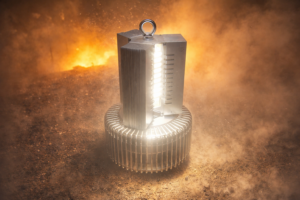
Wattage alone is not an accurate measure of lighting suitability, especially in industrial applications. When selecting a high-temperature LED, the more important question is how much usable illumination the fixture can provide under actual operating conditions.
Lighting requirements should be based on the visual needs of the space, including task complexity, safety expectations, mounting height, and target lux or foot-candle levels. A high-temperature environment may require different illumination strategies depending on whether the goal is general area lighting, equipment monitoring, maintenance access, process visibility, or hazard awareness.
The relationship between wattage and lumen output should also be considered carefully. Two fixtures with the same wattage may produce very different levels of effective illumination depending on optical design, thermal management, and LED efficacy. In high-heat applications, lumen output may also decline more rapidly if the fixture is not properly engineered for thermal stability.
Buyers should avoid both under-lighting and over-lighting. Under-lighting reduces visibility and can compromise safety, while over-lighting wastes energy and may increase glare or unnecessary operating cost. The correct approach is to define illumination targets first and then select fixtures capable of achieving those targets efficiently.
Where possible, a professional lighting layout or photometric simulation should be used to determine the appropriate number, wattage, and placement of fixtures. This ensures that the selected high-temperature LED solution delivers the required brightness while maintaining efficiency and thermal reliability.
Choosing the right fixture type is essential to achieving both optical performance and environmental suitability. Even a thermally capable LED can perform poorly if its form factor or beam distribution does not match the application.
High-temperature LEDs are commonly available in several fixture categories, including:
Each fixture type serves a different purpose. High bay fixtures are typically used in large indoor facilities with elevated ceilings. Flood lights are often selected for directional coverage, machinery zones, or large open process areas. Linear fixtures may be better suited to walkways, service corridors, or long industrial aisles.
Equally important is the beam angle. A narrow beam is useful for high mounting heights or concentrated task zones, while a wider beam provides broader area coverage at lower or more distributed mounting positions. An incorrect beam angle can lead to uneven illumination, excessive shadowing, wasted light, or insufficient brightness at the working plane.
In high-temperature industrial settings, beam selection should also account for fixture spacing, obstructions, and process-specific visual needs. For example, maintenance platforms may require focused vertical illumination, while production floors may need broad, uniform horizontal coverage.
The best lighting results are achieved when thermal suitability, fixture form factor, and beam distribution are evaluated together—not as separate decisions.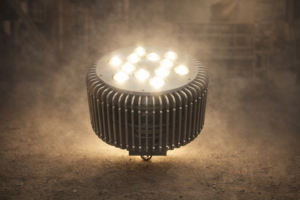
Mounting height and installation method directly influence both the thermal exposure and the optical effectiveness of a lighting fixture. In many industrial facilities, these factors are overlooked during procurement, even though they have a major impact on long-term performance.
A fixture mounted close to a furnace hood, boiler pipe, or enclosed roof structure may experience much higher temperatures than the surrounding workspace. Similarly, installations near process exhaust zones or heat-retaining steel structures may expose the luminaire to additional thermal stress. For this reason, the same fixture may perform well in one part of a facility and fail prematurely in another.
Mounting method also affects practicality and maintenance. Common options include:
The right choice depends on fixture type, application layout, and accessibility. In high-heat areas, it is often beneficial to install fixtures in positions that reduce direct thermal exposure while still delivering effective light distribution. In some cases, a remote or offset mounting strategy can improve service life without compromising illumination.
Maintenance access should also be considered. In difficult industrial environments, every replacement operation may require lifts, shutdown coordination, or special safety procedures. Selecting a fixture and mounting method that support long service intervals and practical maintenance access can significantly reduce operating burden over time.
In LED systems, the driver is often the most failure-prone component—and this is especially true in high-temperature applications. While LED chips themselves are relatively robust when properly cooled, the driver contains sensitive electrical components that are highly vulnerable to sustained thermal stress.
Excessive heat can shorten capacitor life, destabilize current regulation, reduce power conversion efficiency, and increase the risk of flickering or complete electrical failure. For this reason, a fixture’s driver design is one of the most important factors in evaluating whether it is truly suitable for elevated-temperature operation.
A high-quality high-temperature LED should incorporate a driver specifically rated for harsh thermal conditions. Buyers should look for features such as:
In some advanced designs, the driver may be thermally isolated or remotely positioned to reduce heat exposure. This can significantly improve system longevity in applications where internal thermal load is difficult to manage.
It is also worth noting that driver reliability affects not only fixture lifespan, but also lighting quality. A failing or unstable driver may cause visible flicker, inconsistent output, or early lumen loss even before the fixture fully fails. Therefore, when comparing products, the driver should never be treated as a secondary detail. In high-temperature LED selection, it is central to system durability.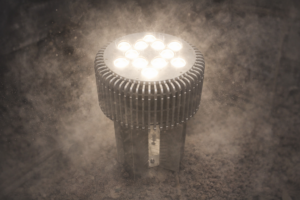
Ingress protection is another key specification that should not be ignored when selecting a high-temperature LED. In industrial environments, heat is often accompanied by contaminants that can compromise internal electronics, optical components, and sealing systems if the fixture is not adequately protected.
The IP rating indicates the fixture’s resistance to solid particles and moisture. Common examples include:
The required IP level depends on the environment. A dry but dusty foundry may prioritize particulate protection, while a food processing facility may require resistance to washdown and steam. In outdoor hot environments, the fixture may need to withstand both elevated heat and direct weather exposure.
In high-temperature conditions, environmental sealing must also resist thermal aging. Poor-quality gaskets or seal materials may harden, crack, or deform under heat, eventually allowing contaminants to enter the fixture. Once this happens, internal corrosion, optical degradation, and driver failure often follow.
Therefore, environmental protection should be evaluated as a thermal durability issue as well as a contamination issue. A properly sealed high-temperature LED not only keeps out dust and moisture, but also preserves internal stability over the long term.
The material quality of a lighting fixture has a direct influence on its thermal behavior, structural durability, and service life. In high-temperature environments, this becomes especially important because the fixture must continuously manage both self-generated heat and environmental heat.
One of the most desirable materials in this context is die-cast aluminum, which offers excellent thermal conductivity, structural rigidity, and corrosion resistance. A well-designed aluminum housing can function as both a protective enclosure and a passive heat dissipation system, helping to keep internal temperatures under control.
However, material alone is not enough. The overall thermal management architecture of the fixture must also be effective. This includes:
Poor thermal design can trap heat inside the fixture, accelerating degradation even if the external housing appears robust. Conversely, a thoughtfully engineered fixture can significantly extend component life and maintain optical output under demanding conditions.
Lens material, gasket composition, fastener quality, and surface coatings also matter. In high-heat industrial settings, every material must resist not only temperature, but also expansion/contraction cycles, contamination exposure, and mechanical wear.
For buyers comparing products, material quality should never be judged only by appearance or weight. The true question is whether the fixture’s materials and thermal architecture are engineered for sustained industrial heat performance.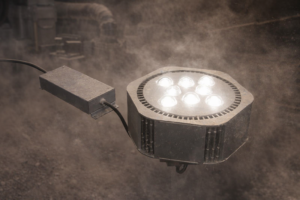
A common misconception in LED purchasing is that all LED fixtures automatically provide long service life. In reality, lifespan is highly dependent on operating conditions, and heat is one of the most powerful factors affecting how long an LED system remains useful.
When evaluating a high-temperature LED, buyers should look beyond simple “rated hours” claims and pay attention to lumen maintenance standards such as:
These metrics indicate how much of the fixture’s original light output remains after a specified operating period. For example, L70 means the fixture retains 70% of its initial lumen output. In high-temperature environments, lumen depreciation often occurs faster if thermal management is inadequate.
A fixture may continue operating electrically while no longer providing sufficient illumination for the application. This is particularly problematic in industrial facilities where lighting is critical for safety and productivity. Therefore, useful life should be evaluated not only in terms of whether the light still turns on, but whether it still delivers acceptable performance.
Selecting a thermally optimized LED helps preserve lumen output over time and delays the point at which the installation becomes under-lit. This is especially valuable in hard-to-reach or high-maintenance environments where replacement is costly.
In short, true lifespan in high-temperature applications is not just about durability—it is about sustained lighting effectiveness.
Certifications and compliance markings are important indicators of whether a high-temperature LED fixture meets recognized standards for safety, quality, and market suitability. In industrial procurement, these certifications are often essential not only for performance assurance but also for project approval and regulatory compatibility.
Common certifications may include:
These certifications help verify that the product has been evaluated for relevant electrical, material, and safety standards. For buyers operating in regulated markets or supplying industrial end users, certified products often reduce project risk and simplify acceptance processes.
However, certification should be interpreted correctly. A fixture may hold general compliance marks while still being unsuitable for a specific high-temperature application. Therefore, certifications should be viewed as one part of the selection process—not a substitute for proper thermal and environmental matching.
In more demanding industrial sectors, buyers may also need application-specific documentation such as test reports, ambient temperature validation, surge data, photometric files, or installation guidelines. A manufacturer capable of supplying this information is often better positioned to support technically demanding projects.
Ultimately, certifications matter because they provide confidence, but the best product selection combines compliance with real engineering suitability.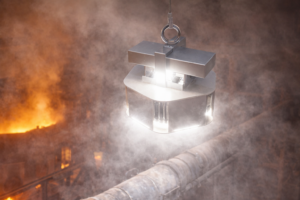
Metal processing facilities are among the most demanding environments for industrial lighting. Foundries, forging plants, casting lines, and smelting operations generate intense ambient heat, radiant thermal load, airborne particulates, and mechanical stress. Lighting installed in these spaces must remain stable under conditions that would rapidly degrade standard luminaires.
In foundries, fixtures are often mounted above furnace zones, molten metal handling areas, or heavy process equipment. These positions expose lighting systems not only to elevated air temperatures but also to radiant heat, dust accumulation, and vibration from industrial machinery. Visibility in these areas is especially important because operators are often working around hazardous materials, high temperatures, and moving loads.
High-temperature LEDs are well suited to these applications because they provide more stable output, longer service life, and lower maintenance compared to traditional lighting technologies or thermally inadequate LEDs. Their rugged construction and heat-resistant drivers make them a practical solution for reducing replacement frequency in difficult access areas.
For metal processing environments, selecting the right fixture requires attention to thermal rating, ingress protection, structural durability, and beam distribution. The right lighting system can improve safety, reduce maintenance interruptions, and support more reliable facility operation in one of the harshest industrial settings.
Glass and ceramic production environments place lighting systems under constant thermal pressure. Kilns, firing chambers, molding lines, annealing processes, and heat-intensive finishing operations create sustained elevated temperatures throughout large sections of the facility.
In these environments, lighting is often installed above or adjacent to production lines where heat is continuous rather than occasional. Fine dust, airborne particulates, and poor airflow may further increase fixture stress. In some facilities, the lighting must also tolerate thermal cycling as production processes fluctuate between heating and cooling stages.
A properly selected high-temperature LED can provide stable and energy-efficient illumination in these conditions while minimizing downtime associated with premature fixture failure. This is particularly important in facilities where lighting consistency supports quality inspection, equipment operation, and worker movement across process areas.
Glass and ceramic manufacturing often benefits from fixtures with durable housings, sealed optical chambers, and carefully selected beam angles to avoid glare while maintaining sufficient brightness across large heated spaces. The lighting system must not only survive the environment but also support visual performance in areas where precision and process monitoring are essential.
Because these industries often operate continuously or in long production cycles, long-term reliability is especially valuable. High-temperature LED systems can therefore contribute meaningfully to operational efficiency as well as illumination quality.
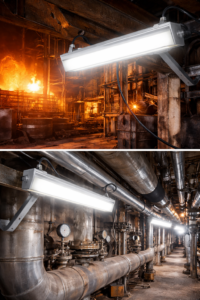
Industrial baking and heat-intensive food production environments introduce a unique combination of thermal and environmental challenges. Ovens, curing lines, cooking chambers, steam release, washdown procedures, and sanitation requirements all influence lighting selection.
In these facilities, lighting fixtures may be installed near high-temperature production equipment or in enclosed ceiling spaces where heat accumulates over time. In addition to temperature resistance, fixtures often need to withstand humidity, grease vapor, airborne particles, and frequent cleaning exposure.
High-temperature LEDs are particularly valuable in these applications because they offer better energy efficiency, lower maintenance, and more stable output compared to conventional lighting systems. Reliable illumination supports worker safety, process visibility, quality control, and sanitation compliance across active production areas.
When selecting lighting for food-related environments, thermal capability should be paired with suitable ingress protection, durable sealing materials, and fixture designs that support hygienic maintenance practices. In some cases, corrosion resistance and easy-to-clean surfaces may also be important.
The right high-temperature LED helps maintain dependable illumination in a production environment where operational continuity and cleanliness are equally important.
Power generation and utility facilities often contain some of the most challenging operating environments for lighting systems. Boiler rooms, turbine halls, mechanical service zones, and heat-intensive infrastructure spaces may combine elevated ambient temperatures with vibration, dust, and long operating hours.
In such facilities, lighting reliability is critical not only for routine operations but also for maintenance access, equipment inspection, and emergency response. Unexpected fixture failure in key utility spaces can create visibility issues that affect both safety and operational efficiency.
High-temperature LEDs are well suited for these environments because they can deliver long service life and stable performance under continuous industrial load. Their reduced maintenance requirements are especially beneficial in facilities where access is difficult, service interruptions are costly, or lighting is mounted at substantial heights.
For utility applications, buyers should evaluate fixtures not only for thermal endurance but also for surge protection, electrical stability, mounting security, and environmental resistance. Since these facilities often involve mission-critical infrastructure, lighting should be selected with a focus on long-term dependability rather than minimum upfront cost.
A well-designed high-temperature lighting solution can help support safer inspections, more reliable operations, and lower maintenance burden across utility environments.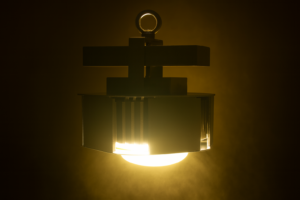
Heavy manufacturing plants and machinery workshops often expose lighting systems to a combination of heat, vibration, metal dust, oil mist, and operational wear. Welding lines, fabrication bays, machining areas, and equipment maintenance zones can all create localized thermal stress that shortens the life of standard LED fixtures.
In these spaces, lighting must support visibility for assembly, inspection, repair, and movement of tools or materials. Uneven or unstable lighting can directly affect productivity, precision, and safety. At the same time, the environment may challenge fixture durability through constant mechanical activity and airborne contaminants.
High-temperature LEDs offer a practical solution because they are better equipped to handle these industrial conditions while maintaining optical performance over time. Their robust housings and improved thermal management help reduce the likelihood of flickering, lumen loss, or premature electrical failure.
When applied correctly, these fixtures can improve both lighting quality and operational efficiency across heavy manufacturing spaces. This makes them an effective long-term choice for facilities seeking to reduce maintenance while supporting safe and productive industrial workflows.
Some high-temperature lighting applications fall outside standard industrial categories and require even greater adaptability. Military facilities, mining sites, remote infrastructure compounds, enclosed utility zones, and specialized industrial operations may all present combinations of heat, dust, impact, vibration, and environmental unpredictability.
In these settings, lighting must often perform in rugged conditions where maintenance access is limited and system reliability is especially important. A failed fixture may not only reduce visibility but also complicate logistics, inspection routines, or operational continuity in already demanding environments.
High-temperature LEDs are valuable here because they combine energy efficiency with structural durability and long operating life. In remote or difficult-access locations, reducing replacement frequency can produce significant logistical and labor advantages.
For specialized harsh environments, lighting selection should be based on a careful assessment of thermal load, environmental exposure, mechanical demands, and mission requirements. In many cases, a customized or project-specific high-temperature lighting solution provides the best long-term outcome.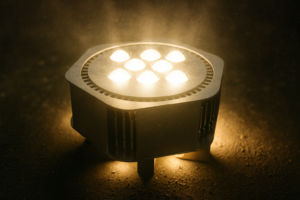
One of the most common purchasing mistakes is assuming that higher wattage automatically means better suitability. Wattage only indicates power consumption—not whether the fixture is thermally capable, optically appropriate, or structurally durable for the intended application.
A lower-wattage fixture with better optical design and stronger thermal management may outperform a higher-wattage unit in real industrial conditions. Buyers should therefore prioritize lumen performance, fixture efficiency, thermal rating, and application compatibility rather than using wattage as the primary decision factor.
Another frequent mistake is evaluating fixture suitability based on general room temperature rather than actual installation temperature. In many facilities, the thermal conditions near the fixture are significantly more severe than those experienced at worker level.
Ignoring this difference can lead to fixture selection that appears correct on paper but fails quickly in practice. Proper site assessment is essential to avoid this costly mismatch.
A fixture may look industrial on the outside while containing internal components that are not truly designed for high-heat operation. Driver quality, capacitor selection, thermal interface materials, and sealing components all influence whether the fixture can survive the intended environment.
Choosing based on appearance or price without evaluating internal engineering often results in short service life and unstable performance.
High-temperature environments often include more than just heat. Dust, vapor, moisture, and contaminants can quickly damage inadequately protected fixtures. Selecting a luminaire with insufficient ingress protection may cause internal contamination, optical degradation, and premature failure even if the temperature rating appears acceptable.
The lowest upfront price rarely represents the lowest lifecycle cost in industrial lighting. Fixtures that fail early generate replacement labor, production disruption, maintenance burden, and long-term operating inefficiency. A better approach is to evaluate total value over time rather than short-term purchase savings.
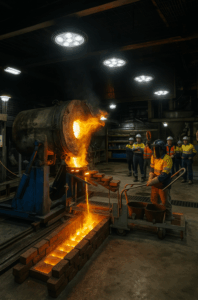
The most effective way to select the right high-temperature LED is to begin with a proper site assessment. This means understanding not only the thermal environment, but also the physical layout, process conditions, and operational needs of the installation area.
A site assessment should include:
This information provides the technical basis for selecting the correct fixture instead of relying on assumptions or generic specifications.
Before choosing a fixture, buyers should clearly define what the lighting system is expected to achieve. Different applications may require different performance priorities, such as:
Defining the objective helps guide decisions on brightness, beam angle, fixture type, and installation layout. A lighting system that is well matched to operational needs will always perform better than one selected only by specification sheet comparison.
Because high-temperature applications vary widely, standard off-the-shelf products are not always the best fit. Working with a manufacturer that offers customization can significantly improve project performance and long-term reliability.
Useful customization options may include:
A manufacturer with real experience in harsh-environment lighting can often help prevent selection errors and deliver a more technically suitable solution.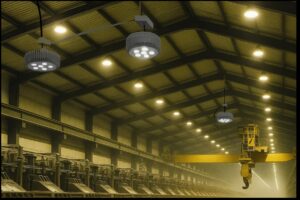
A steel mill, a ceramics kiln area, and a power plant boiler room may all be “hot environments,” but the actual operating demands can differ dramatically. Thermal intensity, contaminant type, fixture position, and lighting objective all vary by industry and site.
This is why a one-size-fits-all approach often underperforms in high-temperature lighting projects.
Selecting a fixture with a thermal rating precisely suited to the environment can significantly improve service life. A customized solution can also account for site-specific airflow limitations, ceiling heat concentration, or unusual process-generated heat conditions that generic fixtures may not address effectively.
Customization is not just about technical refinement—it also improves return on investment. A fixture that is correctly optimized for the project can reduce energy waste, improve illumination uniformity, lower replacement frequency, and support better operational outcomes over time.
For industrial buyers, this often translates into stronger long-term value than simply choosing from standard catalog options.
Selecting the right high-temperature LED requires more than comparing wattage or initial price. In elevated-temperature industrial environments, lighting performance depends on a combination of thermal rating, driver reliability, heat dissipation, ingress protection, material quality, optical design, and application suitability.
A properly selected high-temperature LED can improve workplace safety, maintain stable illumination, reduce maintenance burden, and deliver stronger lifecycle value in harsh operating conditions. Whether the application involves foundries, kiln zones, food processing lines, utility spaces, or heavy manufacturing facilities, the right fixture must be matched to the real thermal and environmental demands of the site.
For engineers, project managers, and procurement teams, the best lighting decision is one based on long-term performance rather than short-term cost alone. When chosen correctly, a high-temperature LED is not simply a lighting product—it is a durable operational asset designed to perform where standard fixtures cannot.
–The End–