
High-heat industrial environments, such as foundries, metal processing plants, glass manufacturing facilities, and high-temperature chemical plants, present a unique set of challenges for lighting design. These environments are not only physically demanding for workers but also impose extreme stress on equipment and lighting systems. Effective illumination in such settings is critical for operational efficiency, safety, and worker well-being.
Color temperature, measured in Kelvins (K), plays a central role in industrial lighting design. It determines the perceived warmth or coolness of light, influencing visual clarity, attention span, and even circadian rhythms. Choosing an inappropriate color temperature can compromise visibility, induce eye strain, and elevate the risk of workplace accidents.
The purpose of this article is to provide a comprehensive guide for facility managers, engineers, and lighting designers. By understanding the science of color temperature and its interaction with high-heat environments, professionals can optimize lighting systems for safety, productivity, and long-term performance.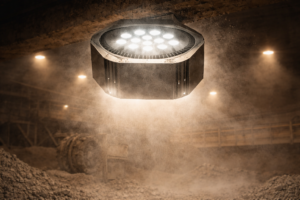
Color temperature is a metric used to describe the hue of a light source, expressed in Kelvin (K). It is based on the concept of a blackbody radiator: as the temperature of an idealized object increases, the light it emits shifts from red to yellow to white and finally to blue. For industrial applications, this metric is crucial because it directly affects visual perception, task performance, and worker comfort.
Lower color temperatures (2700K–3500K) produce a warm, yellow-orange light similar to incandescent bulbs. This hue creates a softer, more comfortable visual environment but can reduce visual acuity, making it less suitable for precision tasks. Higher color temperatures (5000K–6500K), known as cool or daylight white, produce a bluish-white light that enhances sharpness, contrast, and visual clarity. Neutral white (4000K–4500K) represents a midpoint, offering a balance of comfort and focus, making it suitable for general-purpose industrial lighting.
Industrial environments typically employ three main ranges of color temperature:
Color temperature affects cognitive function, alertness, and mood. Warm light induces relaxation, lowers stress, and is well-suited for break areas or low-intensity zones. Cool light stimulates the central nervous system, enhancing vigilance and reaction times. In high-heat environments, thermal stress already challenges worker endurance and cognitive performance. Appropriate color temperature selection can counteract visual fatigue, optimize attention, and minimize errors in safety-critical tasks.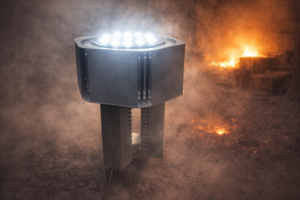
High-heat conditions can degrade lighting components. For example, conventional LEDs exposed to 150°C–200°C may experience lumen depreciation, driver failure, and color shifts. These changes compromise visual consistency and safety. Industrial-grade LEDs with high-temperature drivers, thermally conductive housings, and heat sinks are critical to maintaining brightness, color stability, and operational lifespan.
Proper lighting is essential for hazard recognition in high-heat zones. Poorly lit areas increase the risk of burns, trips, or contact with dangerous machinery. Color temperature selection enhances visibility of materials, surfaces, and obstacles. Cool white light (5000K–6500K) is particularly effective in highlighting edges, defects, and moving parts, reducing accident risks in extreme heat conditions.
Thermal stress reduces contrast sensitivity, visual sharpness, and reaction times. Workers under heat stress fatigue faster, making color temperature optimization even more crucial. High-Kelvin lighting can offset visual impairment, enhancing focus, safety, and overall productivity.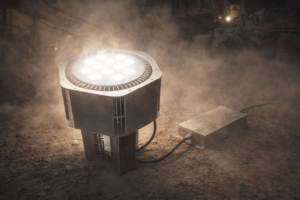
The choice between cool and warm light is critical for both worker productivity and operational safety. Cool white light (5000K–6500K) increases alertness and supports high-precision work by providing high contrast and clear visibility of small details. This is especially important in tasks such as metal fabrication, precision assembly, and quality inspection, where even minor errors can cause significant operational or safety issues.
Warm white light (2700K–3500K), in contrast, has calming effects on the nervous system. While suitable for rest areas, administrative zones, or low-intensity tasks, it may reduce attention to detail when used in operational zones. In high-heat environments, where thermal stress already impacts cognitive performance, warm lighting can inadvertently exacerbate fatigue, reduce response times, and elevate the likelihood of errors.
In practice, industrial facilities often adopt a hybrid approach: cool white lighting for operational zones and warm white for break areas. This not only maximizes productivity during work periods but also provides restorative environments during downtime, supporting overall workforce health and performance.
Assembly Lines: In high-precision assembly lines, workers handle intricate components that require excellent visibility. Cool white LEDs enhance edge detection and reduce eye strain, allowing employees to maintain focus for longer periods, even in high-temperature conditions. The increased color contrast helps identify defects or misalignments, significantly lowering error rates.
Metalworking and Forging Areas: These environments are both high-heat and high-risk. The reflective surfaces of molten or polished metals can produce glare, further challenging visibility. A high-Kelvin LED solution (5000K–6500K) reduces visual fatigue and enhances surface contrast. Proper fixture positioning and anti-glare shielding also complement color temperature selection, ensuring safety without compromising illumination intensity.
Warehouses with High Ceilings: In logistics and storage facilities, lighting must penetrate deep spaces and provide uniform coverage. Neutral or cool white lighting (4000K–5000K) ensures consistent brightness, minimizing shadows and improving navigability. This reduces the risk of collisions, equipment mishandling, or inventory errors, even under elevated ambient temperatures that might otherwise impact visual acuity.
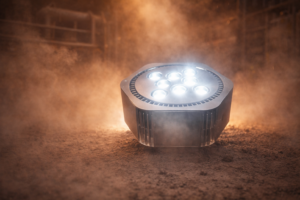
LED technology provides a decisive advantage over incandescent and fluorescent lighting in high-heat industrial environments. LEDs deliver high luminous efficacy (150–170 lm/W), allowing brighter illumination at lower power consumption. They are less susceptible to thermal degradation than traditional lamps, which often experience rapid lumen depreciation, shortened lifespan, and frequent failures in elevated temperatures.
Moreover, LEDs maintain color consistency over time. Traditional lighting can shift in hue under prolonged heat exposure, reducing both visual clarity and aesthetic uniformity. Industrial-grade LEDs are often rated for high ambient temperatures (90°C–200°C), making them ideal for furnaces, foundries, and kilns. Their solid-state design also makes them more resistant to vibration, shocks, and other industrial stresses, further reducing maintenance costs.
Cool white LEDs (5000K–6500K) appear brighter to the human eye than warm white LEDs at the same lumen output. This phenomenon, known as perceived brightness, allows facility managers to maintain safe, high-contrast illumination without unnecessarily increasing energy usage. In high-heat environments, this means fewer fixtures may be required to achieve optimal visibility, translating into reduced energy costs and decreased thermal load from the lighting itself.
By carefully selecting the right color temperature, industrial facilities can achieve a balance between brightness, energy efficiency, and worker performance. Additionally, maintaining high-CRI lighting ensures accurate color differentiation, further enhancing both operational quality and safety.
To maximize performance in high-heat conditions:
These strategies collectively reduce maintenance costs, prevent unscheduled downtime, and enhance worker safety.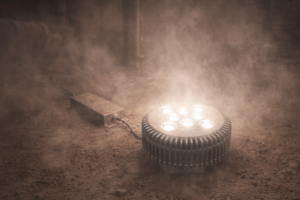
A comprehensive lighting audit is the first step in designing an effective high-heat industrial lighting system. This process involves measuring illumination levels, assessing color rendering, and identifying glare or shadows that may affect worker performance. Facility managers should document thermal conditions in various zones, noting peak temperature areas, reflective surfaces, and work surfaces.
Worker input is invaluable. Operators can highlight areas where visibility is poor or where eye strain occurs, allowing the lighting design to be tailored to real-world conditions. A well-conducted audit provides a baseline for selecting the appropriate color temperature, fixture placement, and lumen output, ensuring that both safety and productivity requirements are met.
Color temperature selection should consider task type, worker shifts, and ambient heat:
The Color Rendering Index (CRI) quantifies a light source’s ability to reveal object colors accurately. In high-heat industrial environments, CRI is particularly important where identifying material defects or reading critical labels is necessary. A high CRI (80+) ensures color fidelity, reducing errors and supporting visual inspection tasks. Pairing optimal color temperature with high CRI produces the best combination of visibility, safety, and operational efficiency.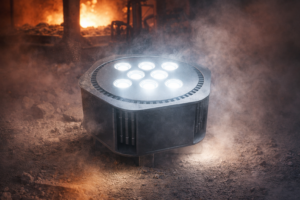
Recommended Color Temperature Ranges:
| Application | Recommended Kelvin Range | Notes |
| Manufacturing & Assembly | 5000K–6000K | Enhances precision and alertness |
| Warehousing & Logistics | 4000K–5000K | Balanced visibility, minimizes shadows |
| Precision Metal/Electronics Work | 5000K–6500K | Improves defect detection and visual clarity |
| Administrative / Break Areas | 2700K–3500K | Creates a relaxed, comfortable environment |
Fixture Tips:
Integration with Cooling:
Selecting the appropriate color temperature in high-heat industrial workspaces is essential for safety, productivity, and fixture longevity. Cool white LEDs (5000K–6500K) generally provide the best performance for operational zones requiring precision and alertness, while neutral and warm white lighting supports comfort in administrative or low-intensity areas.
By integrating high-CRI fixtures, heat-resistant designs, and task-specific lighting strategies, facility managers can ensure optimal performance in even the most challenging industrial conditions. Regular audits, maintenance, and careful fixture selection are key to sustaining long-term operational efficiency and worker safety.
–The End–