
The adoption of LED technology has transformed the lighting industry due to its energy efficiency, long lifespan, and environmental advantages. However, operating LEDs in high-temperature environments presents unique challenges that can significantly reduce their reliability and performance. High-temperature zones, such as industrial plants, metal foundries, large-scale kitchens, or outdoor spaces exposed to direct sunlight and heat sources, create conditions that can accelerate LED degradation. Unlike conventional lighting technologies, LEDs are sensitive to elevated temperatures, which directly affect both the semiconductor materials and the electronic drivers. This sensitivity can manifest as diminished light output, discoloration, and premature failure, all of which increase maintenance costs and operational downtime.
The purpose of this article is to provide a comprehensive overview of the factors contributing to LED failures in hot zones and to offer detailed strategies for mitigating these risks. By exploring thermal management solutions, component innovations, design considerations, and operational best practices, facility managers, lighting designers, and engineers can significantly enhance the reliability of LED systems in challenging environments. Furthermore, this article examines real-world applications and case studies that demonstrate the tangible benefits of optimized high-temperature LED designs, ultimately helping stakeholders make informed decisions that improve both performance and long-term return on investment.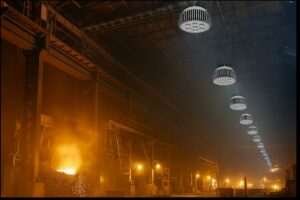
LEDs are highly sensitive to thermal stress because the core semiconductor materials have strict operating temperature ranges. When LEDs are exposed to high ambient temperatures, the junction temperature—the point at which the diode generates light—rises. An increase in junction temperature has a direct correlation with reduced luminous efficacy and accelerated aging of both the semiconductor and associated components. Unlike traditional incandescent bulbs, which tolerate thermal fluctuations relatively well, LEDs require precise thermal management to maintain performance over time. Elevated junction temperatures can lead to rapid lumen depreciation, color shift, and, in extreme cases, catastrophic failure.
Common failure modes in hot zones often include thermal degradation of the phosphor layer, which converts blue LED light into white light. Prolonged exposure to high heat can cause phosphor yellowing, resulting in diminished brightness and color inconsistency. Solder joints and PCB materials also face stress under high temperatures, leading to mechanical failure and electrical disconnections. Drivers and capacitors, which convert and regulate electrical current, may overheat and fail if not rated for high-temperature operation. Additionally, optics and lens materials may discolor or warp, further reducing light output and beam quality. Environmental factors such as dust accumulation, chemical exposure, vibration, and localized heat sources exacerbate these issues, making comprehensive analysis and targeted design strategies essential for reliable performance.
Optimizing LED performance in hot zones begins with careful design considerations. At the core is the selection of LED chips specifically rated for high-temperature operation. These chips typically utilize advanced semiconductor materials that maintain efficiency even at elevated junction temperatures. In many cases, designers reduce the wattage per individual chip to spread heat across a larger array, minimizing localized thermal stress and extending the operational lifespan of the module.
Equally important is thermal management. Heat sinks must be engineered with high thermal conductivity materials, often aluminum or copper, and optimized fin structures that maximize airflow and heat dissipation. Thermal interface materials (TIMs) are critical to ensure efficient heat transfer between the LED chip and the heat sink. In applications where passive cooling is insufficient, active cooling solutions, such as fans or liquid cooling systems, may be implemented. The LED driver, a frequent failure point in high-temperature environments, should be rated for the expected operating temperature range and include protective features such as over-temperature shutdown, surge protection, and dimming control to prevent overstress. By integrating these design elements, high-temperature LEDs can achieve consistent performance and reliability even in challenging operating conditions.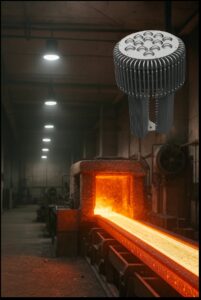
Material selection is a key determinant of LED reliability in high-temperature zones. Conventional FR4 PCBs often degrade under prolonged heat exposure, leading to delamination and reduced electrical performance. High-temperature alternatives, such as metal core PCBs (MCPCBs), provide superior thermal conductivity and structural stability, effectively managing heat at the source. Phosphor coatings and lens materials must also be carefully chosen to resist yellowing, warping, or discoloration under extreme heat. Advanced phosphor formulations and UV-resistant optical lenses ensure that the LED maintains color consistency and luminous efficacy over time.
The housing and enclosure design plays a critical role in thermal performance. Enclosures must provide sufficient airflow, incorporate heat-reflective coatings, and maintain high ingress protection (IP) ratings to protect against dust, moisture, and chemical exposure. Optimizing reflective surfaces within the fixture ensures light output is not compromised by heat accumulation. In some cases, modular designs allow individual LED components to be replaced without dismantling the entire fixture, reducing downtime and maintenance costs. Collectively, these innovations in materials and components enhance the robustness of LED systems, enabling their successful deployment in environments where traditional lighting solutions fail.
Proper installation and operational practices are as critical as design and materials in ensuring LED longevity. Heat traps, confined spaces, and poor airflow significantly increase the risk of thermal failure. Therefore, LEDs should be installed with adequate spacing and ventilation to allow convective cooling and minimize localized heat accumulation. Orientation of the fixture relative to ambient heat sources also influences thermal performance; positioning fixtures away from direct exposure to furnaces, motors, or sunlight can prevent unnecessary thermal stress.
Routine maintenance and monitoring are essential to sustain high-temperature LED performance. Dust and debris can obstruct airflow and reduce the effectiveness of heat sinks, accelerating degradation. Predictive maintenance strategies, such as incorporating temperature sensors and thermal monitoring systems, allow facility managers to detect early signs of overheating or performance decline. Regular inspection of drivers, connectors, and heat sinks ensures that components operate within safe thermal ranges, reducing the likelihood of unexpected failures. By combining thoughtful installation with proactive operational practices, organizations can significantly extend LED lifespan while maintaining consistent light output.
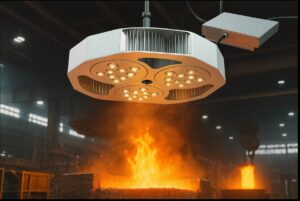
Several industrial and commercial installations highlight the effectiveness of high-temperature LED solutions. For instance, a large steel manufacturing plant retrofitted its conventional metal halide lighting with high-temperature LEDs equipped with advanced heat sinks and high-rated drivers. Pre-retrofit failure rates exceeded 20% per year, while post-retrofit data indicated a failure rate below 5% over a similar period. This improvement was attributed to optimized thermal management, material selection, and strategic placement within the facility to avoid localized heat accumulation.
Outdoor high-temperature environments provide another compelling example. Stadiums in arid regions experience ambient temperatures exceeding 45°C, with direct sunlight adding additional thermal load. By utilizing LEDs with heat-resistant optics and phosphor coatings, along with high-conductivity metal core PCBs, operators observed minimal lumen depreciation and color shift over multi-year periods. These examples demonstrate that combining engineering design, material innovation, and operational strategies yields tangible performance improvements, even in extreme conditions where traditional lighting solutions often fail.
Investing in high-temperature LED solutions delivers significant long-term economic and operational benefits. Reduced maintenance costs are perhaps the most immediate advantage, as the likelihood of premature failures and replacements is dramatically lowered. Downtime associated with lighting maintenance, especially in critical industrial processes, can be costly and disruptive; high-temperature LEDs help mitigate this risk.
Energy efficiency is another critical benefit. LEDs that maintain optimal performance at elevated temperatures continue to provide high luminous efficacy, translating to lower electricity consumption compared with outdated lighting systems. Extended lifespan metrics, often measured in L70 or L80 hours (hours until 70% or 80% lumen maintenance), provide facility managers with predictable performance and simplified replacement planning. The combined effect of reduced energy costs, lower maintenance expenditures, and increased operational reliability represents a strong return on investment, reinforcing the strategic value of deploying high-temperature LED solutions in challenging environments.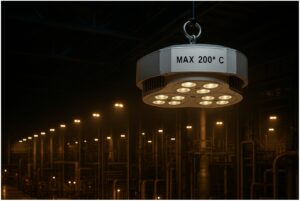
LED lighting in high-temperature zones presents both challenges and opportunities. Failure rates can be significantly mitigated through careful design, material selection, and operational strategies. Understanding thermal dynamics, selecting high-temperature-rated LED chips and drivers, and employing innovative housing and PCB materials are foundational to reliable performance. Proper installation practices, proactive maintenance, and temperature monitoring further enhance system longevity. Real-world case studies demonstrate that high-temperature LEDs not only survive but thrive in extreme environments, providing consistent light output, energy efficiency, and cost savings.
Looking forward, technological advancements promise even greater reliability. Smart sensors, adaptive thermal management systems, and next-generation materials will continue to push the limits of LED performance in hot zones. By prioritizing high-temperature LED solutions, facility managers, engineers, and lighting designers can ensure operational efficiency, reduce failure rates, and achieve sustainable lighting solutions that endure the harshest conditions.
–The End–