
In today’s industrial and commercial environments, efficient lighting is no longer just a utility—it’s a strategic advantage. Facilities managers, engineers, and procurement teams are increasingly prioritizing lighting solutions that reduce operational costs while enhancing productivity. Among the available technologies, LEDs (Light Emitting Diodes) stand out for their combination of energy efficiency, longevity, and superior performance.
LEDs are designed to operate longer and more reliably than traditional lighting systems, significantly cutting maintenance requirements. For industrial operations, this means fewer interruptions, lower labor costs, and improved worker efficiency. Beyond cost savings, high-quality LEDs provide consistent and reliable illumination that supports safer, more productive workplaces. By transitioning to LEDs, companies can reduce downtime caused by failed lighting, improve operational flow, and maximize their return on investment.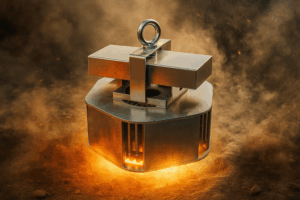
Traditional lighting solutions—incandescent, fluorescent, and high-intensity discharge (HID) lamps—come with significant maintenance burdens. Bulb replacements are frequent and often inconvenient, particularly in large industrial or commercial facilities where fixtures may be mounted in hard-to-reach areas. Each maintenance event requires labor, equipment, and sometimes production downtime, leading to increased operational costs.
Moreover, traditional lights often degrade over time, with brightness dropping noticeably before complete failure. This inconsistency not only affects work efficiency but also creates uneven illumination, which can compromise workplace safety. Maintenance interruptions, especially in high-traffic areas or manufacturing floors, can cause delays, reduce output, and even increase the risk of accidents.
LEDs address these challenges directly. By offering long life, robust performance, and minimal maintenance requirements, LED lighting eliminates the frequent disruptions associated with conventional lighting technologies.
One of the primary advantages of LEDs is their exceptional lifespan. Quality industrial LEDs can operate for 50,000 hours or more, compared to just 1,000–10,000 hours for incandescent or fluorescent lamps. This longevity translates to far fewer replacements and maintenance interventions.
The technology behind LEDs also enhances their durability. Advanced thermal management systems prevent overheating, ensuring that LED components last longer even in high-temperature environments. Many industrial LEDs are designed to withstand vibrations, shocks, and harsh environmental conditions, making them ideal for factories, warehouses, and outdoor installations.
Some modern LEDs even integrate smart monitoring features, enabling predictive maintenance. These systems can detect performance degradation and alert managers before failures occur, preventing unplanned downtime and streamlining maintenance schedules. By minimizing service interruptions and reducing labor requirements, LEDs help facilities operate more efficiently and economically.
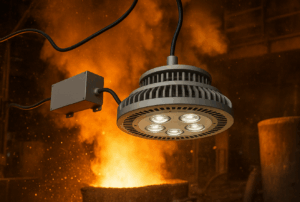
LED lighting has a profound impact on workplace productivity, going beyond energy savings and maintenance reduction. High-quality LEDs deliver uniform illumination across workspaces, eliminating dark spots and glare that can cause eye strain and fatigue among employees. In manufacturing, warehousing, and industrial operations, consistent lighting enables workers to focus on tasks with greater accuracy and fewer errors, directly contributing to improved output.
Another key productivity advantage is the instant-on capability of LEDs. Unlike HID or fluorescent systems that require warm-up periods to reach full brightness, LEDs achieve immediate illumination, ensuring that work areas are ready for operation at any moment. This is particularly critical for facilities with shift-based operations, emergency areas, or time-sensitive production lines.
LEDs also allow for the customization of color temperature, which can be tuned to optimize worker performance. Cooler, daylight-like lighting can increase alertness and attention to detail, while warmer tones may be preferable in areas designed for employee comfort. Such flexibility makes LED systems adaptable to a variety of work environments, from high-precision assembly lines to distribution centers and office spaces.
In addition, reduced downtime from fewer lighting failures and maintenance interruptions allows operations to maintain consistent productivity levels. The combination of immediate illumination, superior quality light, and minimal disruption makes LEDs an indispensable tool for maximizing workforce efficiency and operational throughput.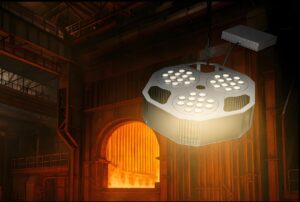
The financial benefits of LED lighting extend far beyond reduced energy bills. Total Cost of Ownership (TCO) takes into account not only initial installation costs but also maintenance, replacement, and operational expenses over the life of the system. LEDs offer a substantial reduction in TCO by significantly decreasing maintenance needs, minimizing labor costs, and extending replacement cycles.
For example, replacing traditional HID lighting in a factory with LEDs can reduce maintenance frequency from multiple times per year to once every several years. This directly translates to lower labor costs, fewer service interruptions, and less downtime. Reduced replacement frequency also means decreased expenditure on replacement bulbs and associated hardware, contributing further to cost savings.
Energy efficiency adds an additional layer of financial advantage. High-performance LEDs consume up to 60–70% less energy than conventional lighting, offering significant savings on utility bills, especially in large-scale industrial and commercial applications. Over time, these savings often offset the initial investment in premium LED systems, producing a clear and measurable ROI.
Furthermore, reduced downtime and improved lighting consistency contribute to operational efficiency, which has its own monetary value. In industries where production delays are costly, the reliability of LED lighting can prevent losses that might otherwise occur due to poorly illuminated workspaces. When combined, these factors make LEDs a highly cost-effective and strategically valuable lighting solution.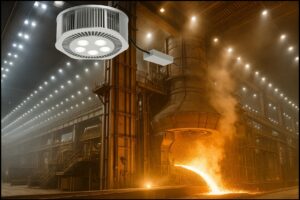
LED technology is versatile, making it suitable for a wide range of applications where low maintenance and high productivity are essential. In factories and manufacturing plants, LEDs withstand harsh conditions such as heat, dust, and vibration, providing consistent illumination for critical production processes. Workers can perform their tasks efficiently without interruptions, and maintenance teams can focus on other priorities rather than frequent lamp replacements.
In warehouses and logistics centers, LED lighting improves visibility across expansive spaces, enhancing both safety and operational efficiency. Uniform illumination helps workers quickly locate items, reduces picking errors, and ensures smooth material handling, all of which are crucial for meeting tight shipping schedules.
For retail and commercial environments, low-maintenance LEDs minimize disruptions to daily operations. Businesses can maintain appealing lighting levels without the constant hassle of bulb replacements or service calls, ensuring a positive customer experience and uninterrupted sales flow.
In stadiums, sports complexes, and outdoor arenas, high-output LED systems provide bright, consistent lighting over large areas with minimal maintenance. This is especially important for venues that host frequent events, where downtime for lighting maintenance is simply not an option.
Finally, office complexes and public infrastructure benefit from the durability and longevity of LEDs. Reliable illumination reduces operational costs and enhances workplace comfort, while the energy savings and reduced service interventions align with sustainability goals and facility management best practices. Across all applications, LEDs deliver a combination of performance, efficiency, and reliability that directly supports both productivity and cost-effectiveness.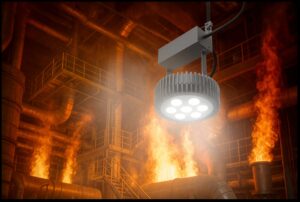
Selecting the right LED solution is critical to maximizing both productivity and maintenance savings. Start by evaluating the rated lifespan and warranty of LED products to ensure they provide long-term performance. Products with longer lifespans and robust warranties reduce the likelihood of premature failures and minimize replacement frequency, directly lowering maintenance costs.
Environmental suitability is another important factor. Check IP ratings for dust and moisture resistance, as well as thermal performance for high-temperature or outdoor installations. In industrial settings, LEDs must withstand vibrations, shocks, and exposure to chemicals or dust, which can compromise traditional lighting systems. High-quality LEDs are engineered to handle these conditions without degradation in performance.
Driver quality and thermal management also play a significant role in long-term reliability. Premium drivers ensure consistent electrical supply, preventing flickering or failure, while effective heat dissipation prevents overheating and extends the lifespan of the LEDs.
Finally, consider customization options. Adjustable brightness, color temperature, and smart control systems allow facilities to tailor lighting to specific operational needs. Task-optimized lighting can improve worker focus, enhance safety, and boost productivity while further minimizing energy use. By carefully choosing LED systems based on these factors, facility managers can achieve both operational efficiency and financial savings, making the transition to LED lighting a strategic investment.
Lower maintenance and higher productivity are no longer mutually exclusive in lighting solutions. LEDs provide both, delivering long life, consistent illumination, and reduced labor costs while enhancing operational efficiency. By investing in high-quality LED systems, facilities can reduce downtime, improve workplace safety, and achieve significant cost savings over time.
For modern industrial, commercial, and public environments, upgrading to LEDs is not just an option—it’s a strategic decision that drives efficiency, productivity, and long-term value.
–The End–