
Underwater photography presents unique challenges due to the complex lighting environment beneath the water’s surface. Factors such as water depth, turbidity, and the natural blue-green tint of the ocean water often make it difficult for photographers to achieve the vibrant and true-to-life colors necessary for high-quality images. As a result, lighting solutions need to be specifically tailored to overcome these obstacles.
In recent years, RGBWW LEDs have emerged as a game-changer for underwater photographers, offering superior performance compared to traditional lighting setups. These versatile lights combine the power of RGB (Red, Green, and Blue) with Warm White LEDs, allowing photographers to capture natural, vibrant colors and achieve the perfect lighting conditions for every underwater shoot.
This article will explore how RGBWW LEDs are transforming the way professionals approach underwater photography by offering enhanced color accuracy, power efficiency, durability, and adaptability for diverse underwater environments.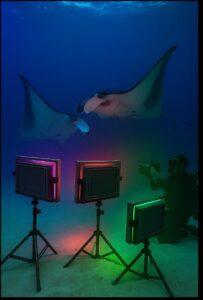
What Does RGBWW Stand For?
RGBWW stands for Red, Green, Blue, and Warm White. These four color components work together to produce a broad spectrum of colors, providing unparalleled flexibility in color reproduction. RGB LEDs can generate vivid and saturated hues, while the Warm White (WW) LEDs provide a natural, soft white light that can mimic the warmth of natural sunlight.
This combination allows RGBWW LEDs to produce a variety of color temperatures, making them ideal for capturing natural lighting in underwater settings. Unlike standard RGB LEDs, which can struggle with achieving realistic white light, the inclusion of Warm White LEDs ensures more accurate color rendering and a better overall balance of light.
How RGBWW LEDs Work in Underwater Photography
RGBWW LEDs use individual diodes to emit different colors of light. These diodes are carefully controlled to create the desired light output, whether for enhancing the vibrancy of marine life, correcting the blue-green tint of the water, or achieving the perfect lighting for detailed close-ups. The RGBWW setup allows photographers to mix and match the intensity of each color channel, enabling them to customize the light to suit their needs.
In underwater photography, the ability to adjust the color temperature (from warm to cool) and fine-tune the brightness is critical for managing how light interacts with the water and various underwater subjects.
Enhanced Color Accuracy & Balance
One of the most significant benefits of RGBWW LEDs in underwater photography is their ability to deliver enhanced color accuracy. Underwater environments often cause color distortion, with deeper waters especially tending to strip away red wavelengths. This leads to images dominated by cool tones, particularly blue and green.
RGBWW LEDs address this issue by allowing photographers to adjust the balance of red, green, and blue light to match the natural color of the underwater subject, whether it’s a coral reef or marine life. The Warm White component also ensures that skin tones and other natural features are accurately represented, avoiding the overly harsh or artificial-looking light that is often associated with standard RGB LEDs.
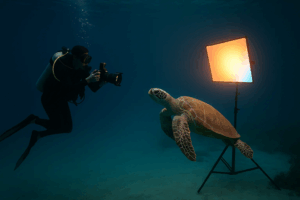
Brightness & Power Efficiency
Underwater photography often requires powerful lighting to overcome the natural light loss that occurs with increasing depth. However, powerful lighting solutions can drain batteries quickly, especially when working in remote or deep-sea locations. RGBWW LEDs provide the perfect balance between high brightness and power efficiency, ensuring that photographers get optimal illumination without sacrificing battery life.
RGBWW LEDs are designed to produce a high lumen output while consuming relatively low power, making them an ideal choice for long underwater shoots. Their energy efficiency also extends the life of the lighting equipment, reducing the need for frequent replacements or recharges during extended filming sessions.
Customization for Different Depths & Conditions
Water clarity and depth can vary significantly, so the ability to customize lighting settings is crucial. RGBWW LEDs offer flexible adjustments for both intensity and color temperature, allowing photographers to tailor the lighting to the specific conditions of the underwater shoot.
For instance, shallow reefs may require a cooler temperature to capture the full range of colors, while deeper underwater environments may need warmer hues to bring out the subtle details of marine creatures. The adjustable nature of RGBWW LEDs also helps photographers achieve the perfect lighting even when shooting through murky water, as they can increase brightness or adjust colors to cut through the haze.
Waterproofing
RGBWW LEDs are designed to withstand the harshest underwater conditions. With an IP68 waterproof rating, these lights are fully sealed to prevent water ingress, ensuring that they perform reliably even at considerable depths. This rating means that RGBWW LEDs can be submerged in water for extended periods without any risk of failure, making them perfect for use in both shallow and deep-water photography.
The robust build quality of RGBWW LEDs also means that they can endure the pressures of deep-sea environments without losing performance or damaging the internal components. Whether shooting in the shallows or at greater depths, RGBWW LEDs offer photographers peace of mind, knowing their equipment can handle the harsh conditions of the underwater world.
Heat Management
One of the challenges of using artificial lighting underwater is the lack of airflow to cool the lights. RGBWW LEDs are equipped with efficient heat sinks and advanced cooling technologies that allow them to maintain a consistent temperature, even after prolonged use. This prevents overheating, which can cause LED lights to malfunction or degrade prematurely.
In addition, the low heat output of RGBWW LEDs ensures that underwater ecosystems are not disrupted by excessive heat, making these lights safe to use in sensitive environments like coral reefs, where temperature fluctuations can have a harmful effect on marine life.
Corrosion Resistance
Saltwater is highly corrosive and can quickly damage equipment that is not properly sealed or protected. RGBWW LEDs are built with corrosion-resistant materials, such as anodized aluminum, to prevent rust and decay. This makes them ideal for use in saltwater environments, where traditional lighting systems might fail due to corrosion.
Additionally, the lenses and other external components of RGBWW LEDs are coated with protective layers to further enhance their resistance to the corrosive effects of saltwater.
For Marine Life Photography
One of the most exciting applications of RGBWW LEDs in underwater photography is their ability to capture the vibrant colors of marine life. Many underwater creatures have intricate, vibrant hues that are often lost in standard underwater lighting setups. RGBWW LEDs, however, can bring out the full spectrum of colors, allowing photographers to capture the true beauty of marine life.
For example, when photographing coral reefs, RGBWW LEDs can accentuate the rich reds, oranges, and yellows of the corals, while also capturing the colorful fish and other marine species that inhabit these ecosystems. The flexibility of RGBWW LEDs allows photographers to highlight the natural beauty of underwater subjects without distortion.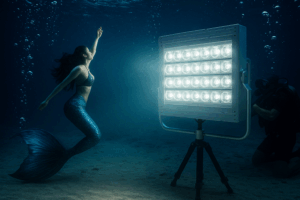
For Underwater Videography
Underwater videography presents even greater challenges due to the need for consistent, even lighting to ensure that video footage remains clear and natural. RGBWW LEDs provide an ideal solution by offering precise control over both brightness and color temperature. This ensures that the video footage remains true to life, with accurate colors and well-lit scenes.
Whether filming documentaries, commercials, or underwater films, RGBWW LEDs allow videographers to achieve high-quality, cinematic results, even in challenging underwater environments.
At Different Depths and Distances
RGBWW LEDs are highly adaptable to various depths and distances. For shallow water shoots, photographers can use the LEDs to capture the natural light and colors without overpowering the scene. In deeper waters, where the natural light is limited, the ability to adjust the intensity of the RGBWW LEDs allows photographers to provide ample illumination while maintaining the desired color balance.
Furthermore, the adjustable beam angles of RGBWW LEDs make them versatile enough to capture wide-angle shots or focus on specific details, such as close-ups of marine life.
Several renowned underwater photographers have embraced RGBWW LEDs for their projects, with remarkable results. For example, in a recent marine biology documentary, the use of RGBWW LEDs allowed the production team to capture stunning footage of coral reefs and fish species that had never been filmed before. By adjusting the color temperature and intensity, the team was able to create vibrant and realistic representations of marine life.
Another case study involved a commercial shoot for a marine conservation organization, where RGBWW LEDs were used to capture compelling footage of endangered species. The adjustable lighting settings enabled the team to adapt to changing underwater conditions, ensuring the best possible shot every time.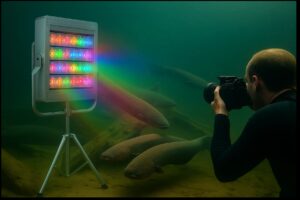
When selecting RGBWW LEDs for underwater photography, there are several factors to consider. These include the size of the lighting fixture, power output, beam angle, and waterproof rating. It is also essential to consider the type of underwater shoot—whether it’s a close-up of marine life or wide-angle shots of underwater landscapes—since different setups require different lighting configurations.
It is advisable to look for RGBWW LEDs with high lumen output for powerful lighting, along with a wide beam angle for even coverage. Additionally, ensure that the LED fixtures are compact, lightweight, and easy to mount on your underwater housing or tripod.
RGBWW LEDs are shaping the future of underwater photography, offering a solution to the long-standing challenges posed by traditional lighting systems. With their superior color accuracy, power efficiency, and adaptability to different underwater conditions, RGBWW LEDs are quickly becoming the preferred choice for professional photographers and videographers working beneath the waves.
As technology continues to evolve, the capabilities of RGBWW LEDs will only improve, providing even more powerful and versatile lighting solutions for underwater shoots. Whether capturing marine life, underwater landscapes, or action-packed scenes, RGBWW LEDs offer a reliable and professional lighting option for photographers and videographers alike.
–The End–