
Lighting in petrochemical and chemical processing facilities is far more than a matter of visibility; it is a critical element for operational safety, efficiency, and regulatory compliance. Industrial environments in these sectors are characterized by extreme thermal conditions, chemical exposure, and continuous operation cycles. Traditional lighting solutions such as metal halide, high-pressure sodium (HPS), or standard LEDs often fail under such rigorous conditions, resulting in frequent maintenance, downtime, and safety hazards.
High-temperature LED lighting has emerged as a reliable, energy-efficient solution capable of performing under harsh industrial conditions. Unlike conventional lamps, these LED systems are engineered to withstand elevated ambient temperatures, resist chemical corrosion, and maintain optical performance over extended lifespans. This article explores the critical considerations, technical requirements, applications, and benefits of high-temperature LED lighting in petrochemical and chemical processing plants.
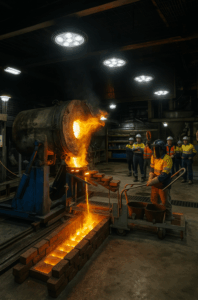
Petrochemical and chemical plants operate numerous processes that generate intense heat, often exceeding temperatures that conventional lighting can tolerate. Furnaces, cracking units, catalytic reactors, and thermal oxidizers create localized heat zones that challenge traditional light fixtures. In addition, high-temperature pipelines and steam lines, flare stacks, and heat exchangers contribute to elevated ambient conditions in plant environments. Understanding these thermal stressors is essential when specifying lighting solutions, as failure to accommodate them can lead to premature fixture degradation, unexpected downtime, and potential safety risks.
Beyond heat, these facilities expose lighting systems to a range of environmental stressors. Corrosive gases, volatile chemical vapors, particulate matter, and hydrocarbon residues are common in processing areas. High humidity and frequent wash-down requirements further exacerbate the stress on electrical components. Unlike standard LEDs or traditional lamps, high-temperature industrial LEDs must maintain performance and safety under continuous 24/7 operation while resisting chemical corrosion, moisture ingress, and thermal expansion-contraction cycles.
Metal halide and HPS lamps have long been the default choice for industrial lighting due to their high lumen output and wide coverage. However, these technologies are highly sensitive to ambient heat. Ballasts can overheat, ignitors may fail, and lamp lifespans are drastically reduced in elevated temperature zones. In addition, these lamps often require lengthy restrike times, leaving critical areas dark during power cycles—a significant safety concern in chemical processing environments.
Even fluorescent and standard LED systems are not immune to high-temperature limitations. Elevated junction temperatures accelerate PCB degradation and compromise the integrity of solder joints. Silicone or rubber seals may fail under sustained thermal stress, allowing moisture or dust ingress that can lead to electrical short circuits. Standard LEDs also suffer from lumen depreciation when exposed to prolonged high temperatures, reducing both illumination quality and energy efficiency.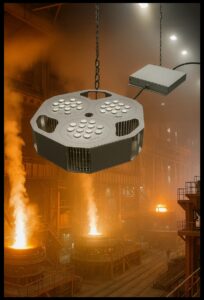
High-temperature LED systems incorporate advanced thermal management strategies to ensure safe and efficient operation. Heat sinks are designed with high-thermal-conductivity materials, often aluminum alloys, with fin geometries optimized for passive cooling. Some designs integrate active cooling, such as forced-air or liquid-assisted systems, for exceptionally high-heat zones. Critical to this approach is the thermal separation of the LED module and driver, which allows sensitive electronic components to remain within safe operating limits even when ambient temperatures exceed 150°C.
Selecting a high-temperature LED requires careful consideration of its rated operating temperature. Industrial-grade fixtures typically offer ambient temperature tolerances ranging from 90°C to 200°C. Junction temperature (Tj) management is essential, as it directly influences LED efficiency and longevity. Real-world performance must be assessed using derating curves, which quantify lumen output and efficacy as temperature rises, ensuring that lighting remains consistent and reliable under extreme conditions.
High-temperature lighting in petrochemical and chemical plants often overlaps with hazardous-area requirements. Compliance with international safety standards such as ATEX, IECEx, or North American Class I, Division 1 & 2 is mandatory. These standards categorize hazardous zones based on the presence of flammable gases or vapors and dictate strict requirements for electrical enclosures, material selection, and installation practices. Failure to comply can lead to catastrophic safety incidents, regulatory fines, and insurance liabilities.
Materials and sealing strategies are equally critical in extreme heat environments. High-temperature aluminum alloys are preferred for enclosures due to their strength, thermal conductivity, and corrosion resistance. Glass components, such as tempered or borosilicate lenses, provide excellent optical clarity while resisting thermal shock. Sealing materials such as high-grade silicone gaskets outperform conventional rubber, ensuring ingress protection against dust, water, and chemical vapors even under repeated thermal cycling.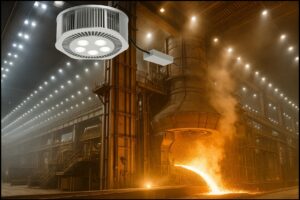
Thermal stress can cause significant lumen depreciation in LEDs, which reduces visibility and operational safety. High-temperature LED designs incorporate thermal management systems that maintain lumen output even in extreme conditions. Optical stability is achieved through heat-tolerant phosphor coatings and specialized LED packaging that prevents color shift, ensuring reliable, high-quality illumination over the fixture’s entire lifespan.
Industrial applications demand precise beam control to illuminate critical process areas without creating glare or unsafe shadows. Narrow beam angles are ideal for focused task lighting, such as inspection platforms or reactors, while wide-beam optics are suitable for general area illumination. Precision optics engineered for high-temperature environments ensure that light is distributed evenly, enhancing worker safety and productivity.
High-temperature LEDs require specially designed electrical systems to function reliably under extreme thermal conditions. Unlike standard LEDs, which may fail when ambient temperatures rise above 50–60°C, high-temperature LED drivers utilize components rated for sustained operation at 90°C, 150°C, or even 200°C. Capacitors, resistors, and semiconductors are selected for their thermal tolerance, ensuring stable electrical performance and minimal risk of thermal runaway. Additionally, remote driver placement or thermally isolated compartments is often used to protect sensitive electronics from excessive heat exposure, effectively separating high-temperature zones from vulnerable components.
Driver design also incorporates robust surge protection and voltage stabilization to accommodate the unstable power environments common in chemical processing plants. Rapid voltage fluctuations or electrical spikes can otherwise compromise driver performance, leading to flickering or complete fixture failure. Advanced thermal management within the driver, combined with high-quality components, ensures continuous illumination, even during peak heat loads or transient electrical disturbances. Overall, well-engineered electrical and driver systems are critical for maintaining the long-term reliability, safety, and energy efficiency of high-temperature LED installations.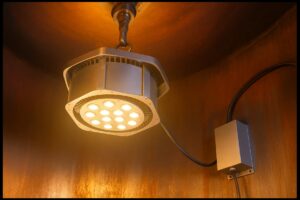
High-temperature LEDs are essential for a wide range of applications across petrochemical and chemical facilities. Furnaces, reactors, distillation columns, and catalyst regeneration units are among the most challenging environments, combining high radiant heat with chemical exposure. In these zones, conventional lighting is prone to rapid degradation, whereas purpose-built LEDs maintain lumen output and color stability over extended periods, improving both worker safety and operational efficiency.
In indoor areas such as enclosed processing halls, high-temperature LEDs withstand not only thermal stress but also corrosive atmospheres and continuous wash-downs. Outdoor installations face additional challenges, including solar radiation, wind, precipitation, and extreme temperature swings. Coastal or desert petrochemical plants further require resistance to salt corrosion, sand abrasion, and thermal cycling. High-temperature LEDs meet these requirements through robust enclosure materials, specialized coatings, and IP-rated sealing solutions. By deploying these fixtures strategically, plant operators can achieve uniform illumination across critical zones, reduce maintenance cycles, and ensure compliance with safety regulations, all while improving energy efficiency and operational reliability.
The adoption of high-temperature LEDs in chemical and petrochemical facilities yields substantial energy and cost benefits. Compared to traditional metal halide or high-pressure sodium lamps, high-temperature LEDs consume significantly less power for equivalent lumen output. Their high efficacy is maintained even under prolonged exposure to elevated temperatures, enabling substantial energy savings for plants that operate continuously around the clock. Over time, these reductions translate into meaningful decreases in utility costs and overall carbon footprint.
Maintenance cost reduction is another significant advantage. High-temperature LEDs can last upwards of 50,000 hours, dramatically exceeding the lifespan of conventional lamps. This extended service life minimizes the frequency of replacements, reduces labor costs, and avoids operational downtime for fixture maintenance. Reduced downtime is especially critical in continuous processing environments, where any interruption can impact production schedules, safety compliance, and revenue. When evaluating total cost of ownership, high-temperature LEDs consistently outperform legacy lighting solutions by combining energy efficiency, reliability, and long-term operational cost savings, making them a strategic investment for industrial operators.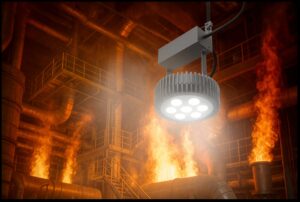
Numerous real-world implementations highlight the effectiveness of high-temperature LED solutions in industrial settings. In a refinery furnace area retrofit, 400W metal halide lamps were replaced with 150W high-temperature LEDs, achieving more than 60% energy savings while maintaining uniform illumination levels. Operators reported improved visibility, reduced maintenance interventions, and zero downtime incidents over multiple years.
In a chemical plant reactor hall, high-temperature LEDs with remote-mounted drivers enabled continuous 24/7 operation without any failures for over five years. The enhanced thermal management of the fixtures prevented driver and LED overheating, while optical stability ensured accurate task lighting for inspection and monitoring. Another application involved high-temperature pump stations, where LEDs maintained performance despite fluctuating ambient temperatures and exposure to chemical vapors. Across all cases, operators experienced reduced labor costs, improved energy efficiency, and enhanced safety, demonstrating the tangible advantages of integrating high-temperature LED technology into critical industrial processes.
Selecting appropriate high-temperature LED solutions requires a systematic approach. First, temperature rating validation ensures the LED system can handle the ambient and localized heat levels of its intended installation. Engineers must analyze thermal maps of the facility to identify the highest temperature zones and verify that fixtures operate safely within these ranges.
Certification verification is equally important. Facilities must confirm that fixtures meet ATEX, IECEx, or North American Class I, Division 1/2 requirements for hazardous areas. Materials and sealing specifications must be carefully evaluated, with emphasis on high-temperature aluminum alloys, tempered glass, and silicone gaskets that resist chemical exposure, UV radiation, and thermal cycling.
Optical requirements are another critical consideration. Beam angles, luminous flux, and color temperature should align with task-specific needs, such as inspection platforms, reaction vessels, or general area lighting. Additionally, supplier reliability, documented testing protocols, and field references provide confidence that the fixtures will perform as specified. By following a structured checklist, procurement teams can select high-temperature LEDs that deliver consistent illumination, reduce operational risks, and provide long-term cost benefits.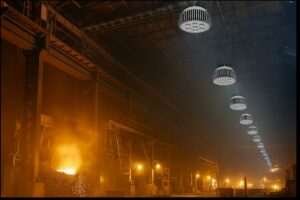
High-temperature industrial lighting is evolving rapidly with innovations designed to further improve thermal resilience, energy efficiency, and operational intelligence. Emerging designs offer higher ambient temperature tolerances, reaching 200°C and beyond, while maintaining lumen output and optical stability. Smart monitoring systems integrated into fixtures now allow plant engineers to track thermal performance in real time, detect overheating, and schedule predictive maintenance before issues escalate into operational disruptions.
Hybrid explosion-proof and high-temperature LED designs are increasingly prevalent, combining thermal endurance with compliance to hazardous-area standards. Advanced materials, including ceramic heatsinks and high-temperature polymers, are being deployed to improve heat dissipation and reduce fixture weight. In parallel, fixture manufacturers are focusing on modularity, allowing remote driver placement, scalable optics, and flexible installation in complex industrial layouts. These innovations not only enhance worker safety but also maximize energy efficiency, extend fixture lifespan, and reduce total cost of ownership. As plants adopt Industry 4.0 practices, high-temperature LEDs will play a pivotal role in creating intelligent, sustainable, and resilient industrial lighting infrastructures.
High-temperature LED lighting is no longer a niche option; it is a necessity for petrochemical and chemical processing plants. Traditional lighting technologies cannot sustain performance under extreme thermal, chemical, and operational stress. Purpose-built high-temperature LEDs offer a reliable, energy-efficient, and cost-effective solution that enhances safety, reduces maintenance, and ensures continuous operations. Plant managers and engineers should prioritize certified, thermally optimized LED solutions to achieve both operational excellence and long-term financial benefits.
FAQs
Q1: Can LEDs really operate at 150–200°C?
Yes, high-temperature LEDs are specifically engineered with advanced thermal management, heat-tolerant materials, and remote driver designs to safely operate in extreme heat zones.
Q2: How does heat affect LED lifespan?
Excessive junction temperature accelerates lumen depreciation and electronic degradation. High-temperature LEDs mitigate this through optimized heat sinks, thermally resistant components, and derating curves to maintain performance.
Q3: Are high-temperature LEDs explosion-proof by default?
Not automatically. Explosion-proof certification (ATEX, IECEx, Class I Div 1/2) must be verified separately, as thermal tolerance alone does not ensure compliance with hazardous-area regulations.
Q4: What certifications should buyers demand?
Buyers should seek ATEX, IECEx, or North American hazardous location certifications and verify testing documentation for temperature, ingress protection, and chemical resistance.
–The End–