
In modern industrial operations, lighting is no longer just about visibility—it directly impacts operational efficiency, safety, and cost-effectiveness. Traditional lighting solutions, such as incandescent or fluorescent fixtures, often fail to deliver reliable performance in extreme heat environments, leading to frequent replacements, higher energy consumption, and operational disruptions. This has created a growing demand for energy-efficient LED lighting specifically engineered for high-temperature applications.
Energy-efficient LEDs for extreme heat combine advanced thermal management, robust materials, and optimized electrical performance to maintain luminous output and prolong operational life under challenging conditions. Industries such as metal casting, glass manufacturing, forging, and desert-based solar facilities frequently expose lighting systems to temperatures exceeding 80°C, with localized radiant heat reaching over 150°C. Standard lighting solutions rapidly degrade in such conditions, resulting in increased maintenance costs and potential safety hazards.
Adopting energy-efficient high-temperature LEDs not only addresses these challenges but also contributes to sustainability goals by reducing energy consumption and carbon footprint. Their robust design ensures consistent illumination, enhances operational safety, and supports long-term cost savings. For procurement managers, engineers, and industrial buyers, understanding the technical advantages and applications of these specialized LED systems is critical for making informed decisions that optimize both performance and ROI.
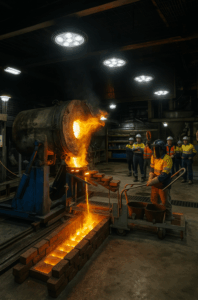
Extreme heat environments in industrial contexts refer to conditions where ambient or localized temperatures exceed the operational limits of conventional lighting technologies. In metal foundries, glass plants, and forging operations, heat radiates not only from ambient sources but also from high-temperature processes and molten materials. These extreme conditions can degrade standard LED components, including lenses, phosphor coatings, and electronic drivers, leading to rapid lumen depreciation and premature failure.
Thermal stress is one of the primary factors affecting LED performance in these environments. When an LED operates above its thermal threshold, internal junction temperatures rise, accelerating material degradation and reducing luminous efficiency. Furthermore, frequent thermal cycling—common in processes with intermittent heating—can cause microcracks in semiconductor chips and solder joints, further compromising reliability. Standard lighting solutions, including metal halide or fluorescent systems, exhibit similar vulnerabilities while consuming significantly more energy, making them economically unsustainable in high-heat industrial applications.
Industrial safety regulations also emphasize reliable illumination in extreme environments. Poorly maintained lighting can increase the risk of accidents, errors, and process inefficiencies. For engineers and operations managers, understanding the specific heat profiles of the installation site is essential for selecting a lighting solution that ensures both safety and operational continuity. Energy-efficient high-temperature LEDs address these challenges by combining superior thermal management, heat-resistant materials, and optimized driver electronics to deliver consistent, long-term performance even under prolonged exposure to extreme heat.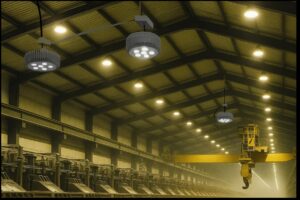
Energy-efficient LEDs designed for extreme heat environments are distinguished by several core technological features that ensure reliable operation, high luminous efficacy, and long-term durability.
Thermal Management Technologies: Effective heat dissipation is critical for maintaining LED performance in high-temperature settings. Advanced designs incorporate large aluminum heat sinks, finned housings, and thermal interface materials that efficiently transfer heat away from the LED junction. Some high-end solutions employ active cooling mechanisms, such as integrated fans or liquid cooling, to maintain stable junction temperatures, even in environments exceeding 120°C.
High-Temperature Resistant Materials: Material selection is crucial for durability. High-temperature LEDs utilize polycarbonate or tempered glass lenses that resist thermal deformation, while silicone encapsulants maintain optical clarity and prevent yellowing at elevated temperatures. Housings are often made from die-cast aluminum or stainless steel, offering corrosion resistance and structural integrity under prolonged heat exposure.
Energy Efficiency Metrics: Despite operating in extreme conditions, these LEDs maintain high lumens-per-watt ratios. By optimizing driver electronics and minimizing thermal-induced power losses, modern high-heat LEDs can achieve energy efficiency comparable to standard industrial LEDs operating under normal conditions.
Durability & Longevity: Rated for up to 50,000–70,000 operational hours under high temperatures, energy-efficient high-heat LEDs drastically reduce maintenance requirements and replacement costs. Long lifespans combined with consistent lumen output ensure operational continuity, which is especially important in critical industrial processes where lighting failure can result in costly downtime.
By integrating these features, energy-efficient high-temperature LEDs provide a sustainable, high-performance lighting solution tailored for extreme industrial environments.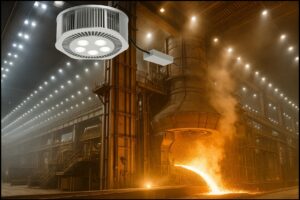
Energy-efficient high-temperature LEDs have become indispensable in several industrial sectors that require reliable illumination under extreme heat conditions.
Metal Casting & Forging: These operations involve molten metals exceeding 1,000°C, producing radiant heat that can damage standard lighting. High-temperature LEDs resist thermal shock, providing consistent illumination for quality control, material handling, and safety monitoring.
Glass & Ceramic Manufacturing: Continuous exposure to radiant heat from furnaces and kilns necessitates LEDs capable of maintaining optical performance despite prolonged high-temperature exposure. Energy-efficient LEDs ensure uniform lighting in production lines while minimizing energy consumption.
Desert Solar Farms & Outdoor Installations: In desert climates, ambient temperatures often surpass 50°C, creating challenges for both outdoor lighting and solar energy systems. LEDs designed for heat resilience maintain performance without overheating, ensuring reliable nighttime operation and minimal maintenance.
Mining & Heavy Industry: Harsh environments, including subterranean heat, dust, and mechanical stress, require rugged lighting solutions. High-heat LEDs provide energy savings while withstanding the thermal and physical challenges of mining operations.
Real-world case studies demonstrate that high-temperature LEDs can reduce energy consumption by 30–50% compared to conventional lighting while maintaining lumen output and reducing maintenance frequency. These advantages highlight the economic and operational benefits of adopting high-heat LED systems in industrial environments.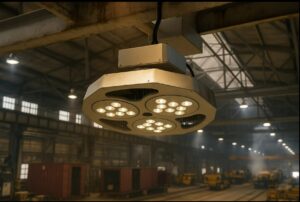
When evaluating lighting solutions for extreme heat, energy-efficient high-temperature LEDs outperform traditional options in multiple dimensions.
Conventional Incandescent & Fluorescent Lamps: While inexpensive upfront, these lamps suffer from rapid lumen depreciation, short lifespans, and high energy consumption under thermal stress. Incandescent lamps convert much of their power into heat, exacerbating environmental temperatures, while fluorescent lamps are prone to thermal-induced flickering or driver failure.
Cost-Benefit Analysis: High-temperature LEDs have higher initial capital costs, but their long-term savings are significant. Reduced energy consumption lowers operational expenses, and extended lifespans minimize maintenance and replacement costs. Over a five-year period, industrial facilities often recover the initial investment through energy and labor savings alone.
Environmental Benefits: High-heat LEDs contribute to sustainability goals by consuming less energy and producing lower carbon emissions. In industrial facilities seeking ESG compliance, these lighting systems align with energy efficiency standards and reduce environmental impact.
By providing a clear balance of performance, energy efficiency, and durability, high-temperature LEDs represent a superior alternative to conventional lighting in extreme heat applications.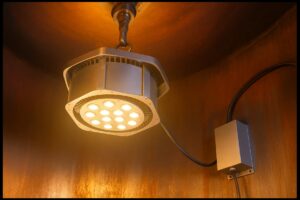
Choosing the optimal high-temperature LED solution requires careful consideration of several technical factors.
Wattage and Lumen Requirements: Proper matching of LED wattage to operational needs ensures sufficient illumination without overloading electrical systems. High-temperature LEDs are available in wattages ranging from 30W to 200W+ for industrial use.
Beam Angle and Optics: Beam distribution affects visibility and uniformity of lighting. Adjustable optics or reflectors can direct light precisely where needed, reducing glare and enhancing operational safety.
Ingress Protection (IP) Rating: LEDs must withstand dust, moisture, and potential chemical exposure in industrial environments. IP65–IP68 ratings are recommended for most high-heat applications.
Ambient Temperature Rating: Engineers should verify that the selected LEDs maintain rated lumen output at the specific ambient temperatures of the installation site. Some high-performance models operate continuously at junction temperatures up to 150°C.
Vendor Reliability: Selecting manufacturers with proven expertise in high-heat LEDs ensures access to technical support, warranty coverage, and replacement parts. Reputable vendors provide detailed specifications, thermal testing data, and case studies to support informed procurement decisions.
Properly evaluating these criteria ensures that the chosen LED solution delivers consistent performance, energy efficiency, and durability under extreme heat conditions.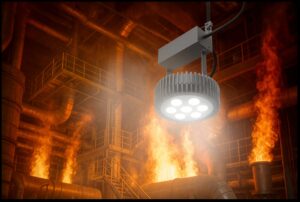
The evolution of energy-efficient high-temperature LEDs continues to accelerate, driven by advances in materials, electronics, and smart technologies.
Smart Controls and IoT Integration: Modern LEDs can integrate with sensors, dimmers, and networked control systems to optimize energy consumption based on operational needs, reducing both heat load and electricity costs.
Advanced Materials: Research into high-thermal-conductivity ceramics, next-generation phosphors, and silicone encapsulants promises even greater thermal resilience and optical stability.
Renewable Energy Integration: High-heat LEDs are increasingly compatible with solar and battery-powered systems, enabling sustainable lighting solutions in remote or off-grid industrial sites.
Predictive Maintenance: Connected lighting systems can monitor temperature, power consumption, and lumen output in real time, allowing engineers to predict maintenance needs and prevent downtime proactively.
These innovations ensure that energy-efficient LEDs for extreme heat will continue to provide industrial operators with reliable, cost-effective, and sustainable lighting solutions for years to come.
Energy-efficient LEDs engineered for extreme heat environments represent a critical advancement in industrial lighting. By combining advanced thermal management, heat-resistant materials, and optimized electronics, these LEDs deliver consistent performance, prolonged operational life, and substantial energy savings.
For engineers, procurement managers, and industrial buyers, high-temperature LEDs offer tangible benefits: reduced maintenance costs, lower energy consumption, improved safety, and alignment with sustainability goals. In industries ranging from metal casting to desert solar farms, adopting these specialized LEDs ensures both operational efficiency and long-term economic value. Selecting the right solution requires careful evaluation of thermal ratings, optics, IP protection, and vendor reliability, but the rewards in performance and cost-efficiency are substantial.
Energy-efficient high-heat LEDs are no longer a luxury—they are a necessity for any industrial operation operating under extreme temperatures.
–The End–