
Industrial environments are rarely forgiving. Facilities such as chemical processing plants, oil refineries, marine ports, and wastewater treatment centers operate under constant exposure to corrosive gases, high humidity, salt-laden air, and chemically aggressive liquids. These conditions present a significant challenge for infrastructure durability, and lighting systems are often among the first components to fail. When conventional fixtures succumb to corrosion, the consequences ripple far beyond replacement costs. Operators face compromised safety, reduced productivity, increased downtime, and inflated maintenance expenses.
As industries continue to demand higher efficiency, sustainability, and safety, a new generation of anti-corrosion LED lighting has emerged. Unlike traditional lighting systems, which degrade rapidly in harsh environments, these fixtures are engineered with advanced materials, coatings, and sealing technologies to deliver robust performance even under extreme exposure. They offer not only resistance to chemical and environmental degradation but also higher luminous efficacy, longer operational lifespans, and reduced total cost of ownership.
This article explores the science, advantages, and applications of anti-corrosion LED lighting in harsh industrial environments. We will analyze the unique environmental challenges, examine the engineering solutions that enable LEDs to thrive where other lighting systems fail, and provide real-world insights into performance, cost savings, and future developments.
Lighting systems in industrial facilities face an array of aggressive conditions. Corrosion, at its core, is a chemical reaction between materials and their environment, often accelerated by moisture, gases, and temperature fluctuations. For industrial lighting, corrosion translates into structural degradation, electrical failure, compromised optics, and frequent replacements. To understand the need for anti-corrosion lighting, we must first examine the environments in which they operate.
2.1 Key Industries Exposed to Corrosion Risks
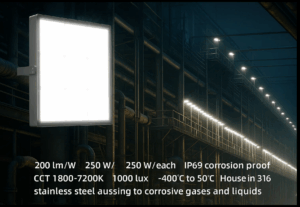
2.2 Types of Corrosive Agents
2.3 Long-Term Effects on Conventional Lighting
Traditional fluorescent or HID fixtures typically require replacement every 6–18 months in such environments. In contrast, anti-corrosion LED systems can deliver reliable operation for 5–10 years, drastically reducing disruption and expense.
The resilience of anti-corrosion LED lighting is rooted in advanced engineering. These systems combine robust housing materials, protective surface treatments, precision sealing, and efficient thermal management to withstand extreme industrial conditions.
3.1 Materials Engineering
3.2 Surface Treatments
3.3 Optical and Sealing Technologies
3.4 Thermal Management
Even in corrosive environments, high temperatures compound degradation risks. Advanced heat sinks, airflow optimization, and high-temperature-rated LEDs ensure stability from -40°C to +50°C, with some designs extending beyond.
Beyond simple corrosion resistance, anti-corrosion LED systems deliver performance advantages that enhance safety, efficiency, and ROI.
4.1 High Efficacy and Energy Savings
4.2 Extended Lifespan
4.3 Reduced Maintenance Costs
4.4 Safety and Compliance
4.5 Wide Operating Range
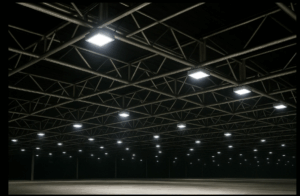
5.1 Chemical Processing Plants
Anti-corrosion LEDs prevent fixture degradation from acidic vapors, ensuring safety lighting in hazardous areas.
5.2 Marine & Offshore Platforms
316L stainless steel housings resist saltwater spray, ensuring reliable illumination for navigation and safety.
5.3 Food & Beverage Facilities
Fixtures are resistant to caustic washdowns, meeting NSF hygienic standards for food safety.
5.4 Wastewater Treatment Facilities
Anti-vapor sealing prevents infiltration from methane and chlorine gases.
5.5 Mining and Metallurgy
LEDs provide high lumen output under dusty, high-temperature, and corrosive atmospheres.
6.1 Fixture Placement
Avoiding direct chemical streams and optimizing beam distribution for safety and efficiency.
6.2 Smart Integration
IoT-enabled LEDs provide real-time monitoring, predictive maintenance alerts, and adaptive dimming.
6.3 Compliance Standards
6.4 Customization
7.1 Chemical Plant Lighting Upgrade
7.2 Offshore Oil Platform
Anti-corrosion LED technology continues to evolve, driven by material science and smart integration.
In harsh industrial environments, lighting reliability directly impacts operational safety, productivity, and cost efficiency. Traditional fixtures fail rapidly under corrosive exposure, leading to high replacement costs and downtime. Anti-corrosion LED lighting, with its engineered materials, protective coatings, superior sealing, and high efficiency, stands as the ultimate solution.
From chemical plants to marine platforms, these fixtures provide unmatched durability, energy savings, and safety compliance. As industries move toward sustainability and resilience, anti-corrosion LED systems will play a central role in building infrastructures that withstand the test of time, chemicals, and the elements.
–The End–